
Estimated read time: 5 min.
Sustainable hunting relies on responsible decisions that protect wildlife, biodiversity, and the long-term balance of nature. As technology evolves, tools like thermal optics are becoming part of this discussion.
Thermal devices allow hunters to detect heat signatures and observe wildlife even in complete darkness. This can improve target identification, safety, and shot placement, helping hunters make more informed decisions in the field.
The ideas explored in this article are based on a presentation delivered by Henrik Sproedt, Pulsar ambasador, on the Shooting Experts’ Stage during IWA OutdoorClassics, where he discussed how thermal technology can support more sustainable and ethical hunting practices.
Quick answer
Sustainability has always been at the core of hunting. Hunters are responsible for maintaining healthy wildlife populations, protecting biodiversity, and managing the balance between nature and human activity.

Thermal optics can support this responsibility by allowing hunters to see and understand what is happening in the field, even in complete darkness. With better target identification and clearer awareness of the surroundings, hunters can make safer decisions and achieve more precise shot placement, which helps reduce unnecessary suffering and disturbance in nature.
At the same time, technology itself is neither ethical nor unethical. What matters is how responsibly it is used. When hunters combine modern tools like thermal optics with knowledge, restraint, and respect for wildlife, these technologies can help improve both the ethical standards and the sustainability of hunting.
Why is sustainability closely connected to hunting
Sustainability is often associated with environmental policy, but its origins are closely linked to hunting and forestry. Both activities require long-term resource management. Without sustainable practices, the natural systems that support them would eventually collapse.
In German hunting culture, this responsibility is described by the term “Hege.”
Hege refers to the active protection and management of wildlife and habitats in order to maintain biodiversity and healthy ecosystems.
In Germany, hunting and wildlife management are closely connected. Hunters are expected to actively contribute to sustainable wildlife management. Hunters in Germany alone voluntarily invest around €128 million every year in conservation efforts.
Hunting also includes several ecological responsibilities that are often overlooked:
- pest control,
- pandemic prevention,
- crop protection,
- wildlife population regulation.
These activities play an important role in maintaining ecological balance, particularly in landscapes that are heavily influenced by human activity.
Because modern ecosystems are shaped by agriculture, infrastructure, and urbanization, wildlife populations sometimes require active management in order to remain healthy and balanced.
What does hunting actually mean?
When discussing sustainability and ethics, it is important to clearly define what hunting actually is.
Hunting refers to selective harvesting of wildlife, typically with the goals of:
- providing food,
- maintaining biodiversity,
- managing wildlife populations responsibly,
This differs from other forms of animal killing.
For example, slaughtering refers to turning livestock into food. Eradication, on the other hand, means eliminating an entire population of animals.
Hunting is neither of these. It involves selective decision-making, where hunters choose specific animals based on ecological considerations.
In some situations, stronger population control may become necessary, especially when non-native species threaten local ecosystems. In these cases, hunting can play an important role in protecting biodiversity.
Throughout human history, hunting has also been closely linked with innovation. Early humans constantly improved their tools and techniques because survival depended on success.
These improvements were not driven purely by efficiency. They were also motivated by respect for wildlife and a desire to better understand nature.
Is advanced hunting technology ethical?
Ethics refers to the moral principles that guide human behavior. In hunting, these principles influence how hunters interact with wildlife, ecosystems, and technology.
Modern technology raises an important question: how much technology is ethically acceptable in hunting?
Humans naturally have limited vision at night. Thermal optics and night vision significantly extend these natural limitations.
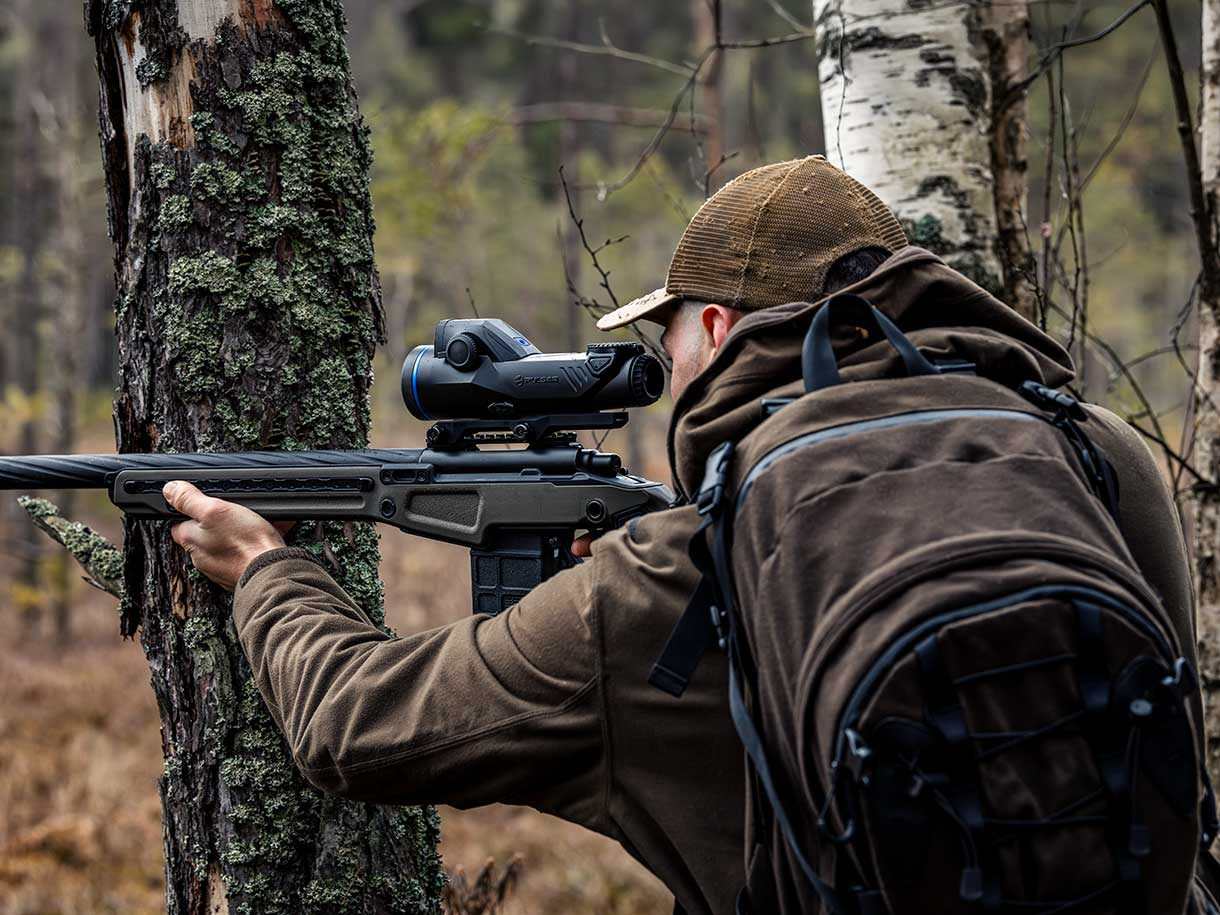 However, technology itself is not inherently ethical or unethical. The ethical dimension depends on how it is used.
Responsible use of technology can support ethical goals such as:
- harvesting animals for food,
- protecting agriculture,
- preventing wildlife disease outbreaks.
At the same time, technology also challenges hunters to reflect on their own standards. It is easy to make ethical claims, but much more difficult to consistently live up to them.
Is night hunting more ethical than daytime hunting for nocturnal species?
Wildlife constantly adapts to environmental pressures and human activity. Many species are primarily active at night, which creates a dilemma for hunters.
Without thermal technology, hunters may attempt to harvest nocturnal animals during daylight hours. However, this can disturb animals when they should actually be resting.
This creates an important ethical question: is it more ethical to hunt night-active species during the day simply because humans cannot see at night?
Hunters must therefore balance two factors:
- effectiveness in wildlife management,
- minimizing disturbance to wildlife and ecosystems.
Understanding wildlife behavior is essential for making responsible decisions in the field.
How thermal optics improve target identification
One of the most important ethical responsibilities in hunting is clear target identification and accurate shot placement.
Poor visibility can lead to serious problems, including:
- misidentifying animals,
- poor shot placement,
- unnecessary suffering.
Thermal optics can significantly improve visibility in low-light environments. By detecting heat signatures, these devices allow hunters to identify animals and observe movement even in complete darkness.
This improved visibility can help hunters:
- confirm the correct animal before shooting,
- place shots more precisely,
- reduce the risk of unnecessary suffering.
From an ethical perspective, hunters are obligated to do everything possible to ensure clear identification and responsible shot placement.

Safety considerations when using thermal optics
The use of optics with firearms must always follow basic safety principles. Hunters generally rely on four fundamental firearm safety rules:
- Treat every firearm as if it is loaded.
- Never point the muzzle at anything you do not intend to shoot.
- Keep the safety on and your finger off the trigger until you are ready to shoot.
- Always be aware of your target and what lies behind it.
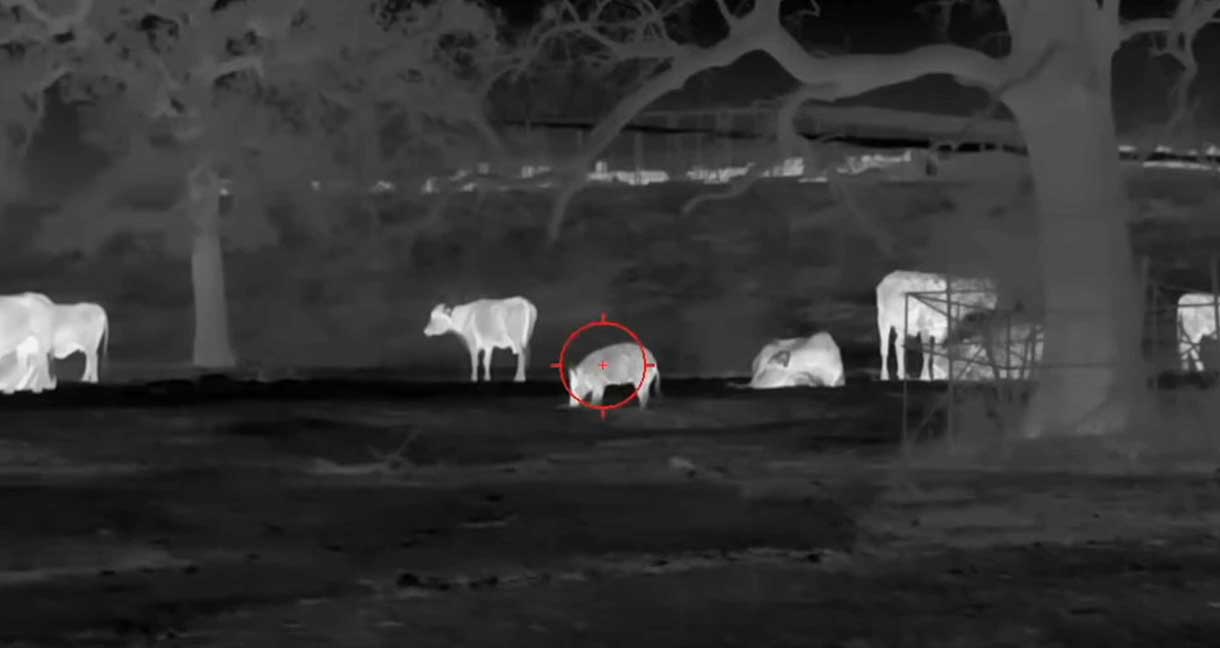 Thermal optics can support these safety principles by improving situational awareness in darkness. By revealing heat signatures and animal movement, hunters gain a clearer understanding of the environment around their target.
Better awareness can lead to safer and more informed decisions in the field.
Manufacturers’ responsibility in ethical hunting technology
Ethical hunting does not depend only on the hunter. Equipment manufacturers also play an important role.
Hunters must be able to rely on their equipment under real-world conditions. Unreliable technology can lead to misidentification or poor shot placement.
For this reason, hunting equipment must be designed to:
- remain durable in harsh conditions,
- perform reliably during field use,
- provide clear target identification,
- function effectively in low-visibility environments.
Hunters should not be forced to experiment with unreliable technology on living animals. Reliable equipment is essential for meeting ethical hunting standards.
Why is hunter education important for responsible technology use
Responsible use of technology begins with proper education.
Modern hunters must understand both the privilege of hunting and the responsibility that comes with advanced equipment.
In many hunting schools, education now emphasizes the importance of responsible technology use. Hunters must learn how devices such as thermal optics work, what their limitations are, and how to use them responsibly.
However, many hunting exams still contain limited questions related to night hunting or thermal technology. As these tools become more widespread, education systems may need to evolve accordingly.
Why do hunters need humility when using advanced technology
Advanced technology does not replace knowledge and experience. Hunters must approach new tools with humility and restraint.
Using thermal optics effectively requires new skills, including:
- understanding how thermal imaging works,
- estimating shooting distances accurately,
- recognizing the limits of technology.

Not every technological capability should automatically be used in practice. Responsible innovation should always focus on real challenges in the field, rather than simply adding new features
Risks that come with new hunting technologies
Thermal optics are only one part of the broader technological development in hunting.
Other technologies are also becoming more common, including:
- laser rangefinders,
- ballistic calculators,
- artificial intelligence.
These tools can support hunters, but they can also create risks if misunderstood.
For example, ballistic calculators may give hunters the false impression that long-distance shots are easy. Without accurate data and sufficient experience, this assumption can lead to poor decisions.
Similarly, artificial intelligence raises new questions about how much responsibility should remain with the hunter. Situational awareness and critical thinking must always remain central to hunting decisions.
How thermal technology changes the hunting experience
During the discussion following the presentation, a hunter from the United Kingdom shared his experience using thermal optics for deer hunting.
He explained that thermal technology allowed him to harvest three to four times more deer compared to traditional optical sights. Hunting on foot had also become more effective.
However, he also pointed out an important difference. Hunting with thermal devices changes the experience itself.
Instead of directly observing nature through sight, smell, and sound, hunters often observe animals through a screen. The experience becomes more technical and less sensory.
This observation highlights an important balance. For traditional hunting, many hunters may still choose to hunt without advanced technology in order to preserve the natural experience.
However, in situations that require active wildlife management — such as crop protection or preventing diseases like African swine fever — hunters may have a responsibility to use the most effective tools available.
Conclusion
Innovation has always influenced the development of hunting. New technologies constantly change how hunters observe wildlife, make decisions, and manage ecosystems.
When used responsibly, thermal optics can improve several important aspects of hunting:
- safety in the field,
- awareness of wildlife behavior,
- effectiveness of population management,
- reduction of unnecessary disturbance,
- more precise and humane shot placement.
At the same time, technology alone does not guarantee ethical outcomes. Responsible hunters must continue learning, adapting, and reflecting on how these tools are used.
When combined with knowledge, responsibility, and respect for wildlife, thermal technology can help strengthen both ethical hunting practices and sustainable wildlife management.
About the expert

Expert Contributor:
Henrik Sproedt
With over 30 years of hunting experience, Henrik Sproedt has honed his skills in tracking, fieldcraft, and ethical hunting practices across diverse terrains.
His expertise goes beyond personal mastery – he also runs a dedicated hunting school, where he shares his extensive knowledge with new and seasoned hunters alike.
Before purchasing any night or thermal vision device, please make sure you adhere to the local legislation and only use it when it is allowed. Our ambassadors come from various countries and travel a lot, which allows them to test different devices. We do not encourage or support the illegal use of our devices in any events. If you wish to learn more about export and sales restriction policy, please visit the following link: Export and Sales Restriction Policy.