
Expert Contributor:
Stefan Orman, Vilius Ūksas
Estimated read time: 6 min.
The best ballistics app for long-range shooting turns good data into a clean, repeatable shooting solution, no matter the conditions. For most, that means reliable trajectory modeling, fast profile management, and corrections that account for changing conditions without juggling multiple tools.
Pulsar Stream Vision Ballistics stands out because it’s built around an integrated workflow that links ballistic calculations directly with compatible optics and ranging data, keeping the process faster and less error-prone when it matters most.
Quick answer
The best ballistics app for long-range shooting supports accurate, confident shot execution in real field conditions. It should:
- Deliver consistent and reliable trajectory calculations
- Adapt to changing environmental factors such as temperature, altitude, and wind
- Integrate smoothly into the shooting workflow, rather than operating as a separate tool
- Support fast decision-making during long-range shooting and hunting
Pulsar Stream Vision Ballistics fits this approach by combining mobile ballistic calculation with ecosystem-based integration, helping shooters apply corrections efficiently within a practical, field-ready workflow.
What defines the best ballistics app for long range shooting?
A “best ballistics app” isn’t just accurate on paper. It’s consistent, predictable, and usable when time and conditions are working against you. The best app helps you move from a verified distance to a confident correction, while minimizing manual input and decision fatigue.
Reliable ballistic calculations & trajectory modeling
Reliable ballistic calculations & trajectory modeling means the solver produces repeatable drop and drift predictions across the actual shooting distances. A serious app handles bullet trajectory as a system: muzzle velocity, ballistic coefficient (BC), zero range, sight height, and drag modeling all have to work together without surprises.
Consistency and raw precision are equally important. Ballistic models are sensitive to aerodynamic drag, and drag is directly influenced by air density and related atmospheric variables. If the solver’s logic is stable, your corrections stay dependable as you confirm dope and refine profiles.
Environmental factors & real-world shooting conditions
Environmental factors and real-world shooting conditions are where long-range plans succeed or fail. Temperature, altitude, pressure, humidity, and wind all change how the bullet flies — they affect air density and drag, and wind adds lateral deflection you can’t ignore.
A good ballistics app handles this without turning every shot into a spreadsheet project. Conditions change between the range and the field, between morning and afternoon, between valley floor and ridge. The app’s job is to absorb that variability and still give you a correction you can trust — quickly enough to actually use it.
Rifle, ammunition & shooting profile management
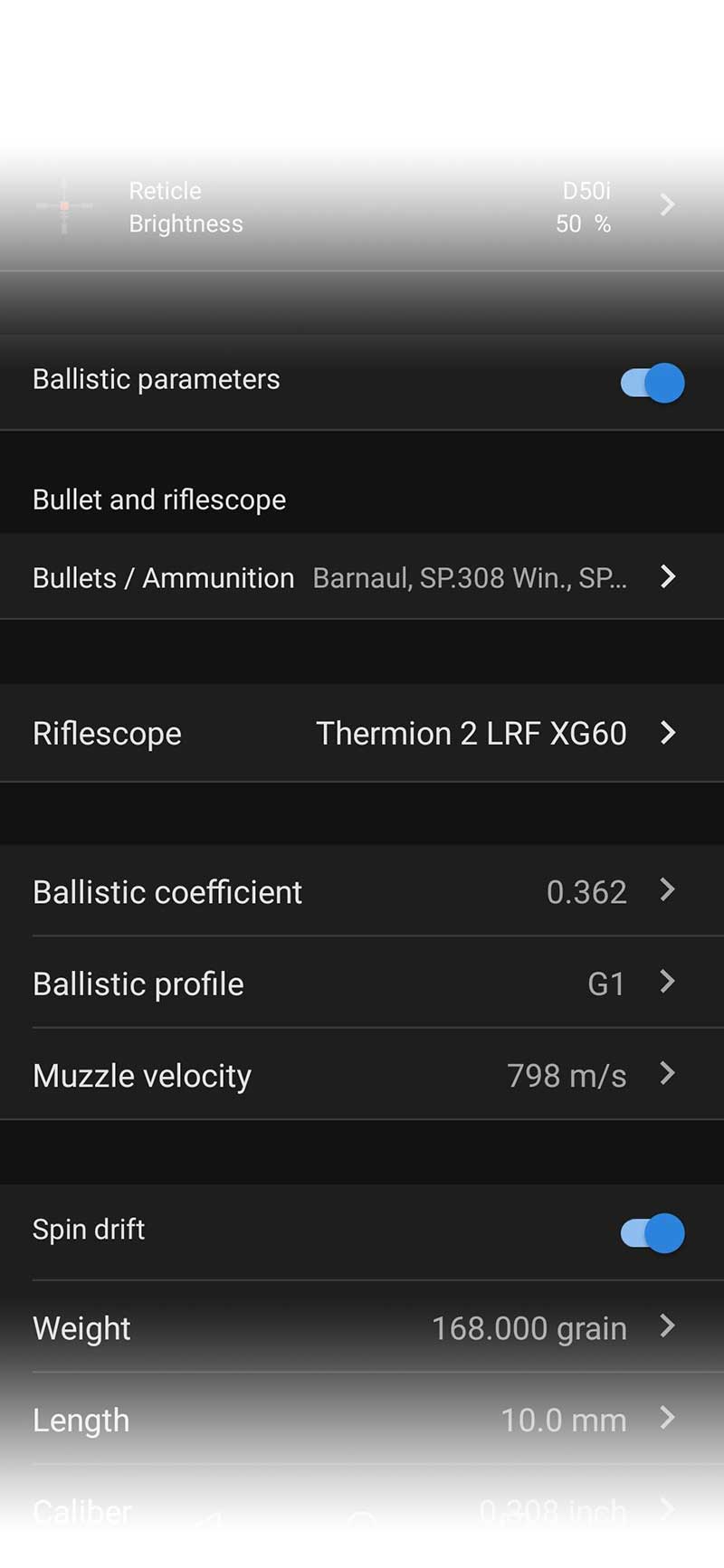
Rifle, ammunition & shooting profile management keep your data organized and prevent the most common error: using the right correction for the wrong profile. The best apps let you store multiple rifles, calibers, and loads, then switch profiles quickly without re-entering critical data.
This matters to hunters who use different bullet weights in different seasons, or who have multiple rifles set up for different terrain. Pre-established, clean profiles reduce time spent typing and leave more time to verify what matters: distance, conditions, and a stable shooting position.
Integration with optics & shooting equipment
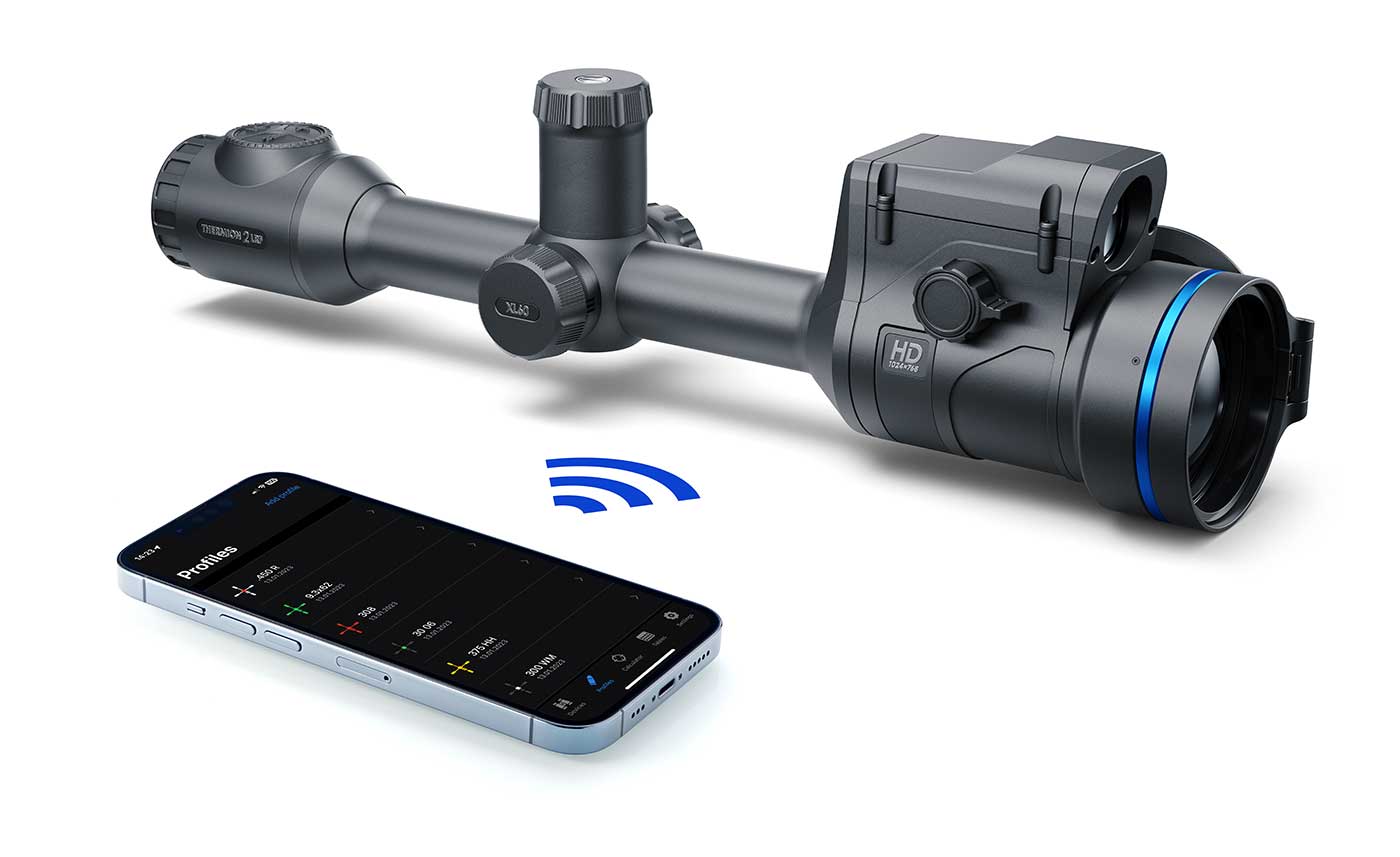
Integration with optics & shooting equipment is the difference between a calculator and a system. Distance data, profiles, and corrections flow through a connected workflow, reducing the need to transfer numbers between devices manually.
It’s not just convenient; it’s about reducing the risk of bad input at the worst possible moment. Integration also reduces cognitive load because you don’t have to break focus to bounce between apps, notes, and screens.
Field usability & workflow speed
Field usability & workflow speed is the make-or-break category for long-range shooting. You need corrections that are easy to access, easy to interpret, and fast to apply. Animals don’t wait for you to scroll through menus.
The best ballistics app supports a simple field routine: confirm profile, range, conditions, apply the correction, and execute the shot. Anything that adds steps or clutter increases your odds of a mistake.
As note from shooting expert and instructor Stefan Orman:
A ballistics app gives you a solution, not a decision. The data is only as good as the inputs you’ve confirmed yourself — manufacturer specs won’t match your rifle, and no algorithm can replace verified dope from actual rounds downrange. The shooter is always the last filter, and that responsibility doesn’t transfer to the app.

Why ecosystem-based ballistics matter in long-range shooting
Ecosystem-based ballistics matter because long-range shooting is already a chain of decisions, and every extra handoff is a chance to break that chain. When ballistic calculations are integrated with optics and ranging, the workflow becomes shorter and cleaner.
Standalone calculators can be accurate, but integration reduces the number of steps. Fewer steps usually mean fewer errors. Integration improves first-shot accuracy by keeping the shooter’s attention on the target and the shot process, rather than managing devices and manual data transfer.
Pulsar Stream Vision Ballistics review
Integrated ballistics for modern long range shooting
Pulsar Stream Vision Ballistics is designed for shooters and hunters who value precision, speed, and a streamlined shooting workflow. Instead of functioning as a standalone ballistic calculator, it operates as an integrated part of the Pulsar ecosystem, linking ballistic calculations directly with optics and ranging data. This approach creates a practical, field-ready solution built around real long-range shooting scenarios rather than theoretical use cases.
Core capabilities
Key functional specifications
- Ballistic calculation type: Mobile ballistic calculator integrated within the Pulsar Stream Vision app
- Primary use case: Long-range shooting and hunting
- Profile management: Multiple rifle and ammunition profiles
- Input data: Shooting distance, rifle parameters, ammunition data, environmental factors
- Integration: Pulsar optics ecosystem and compatible laser rangefinders
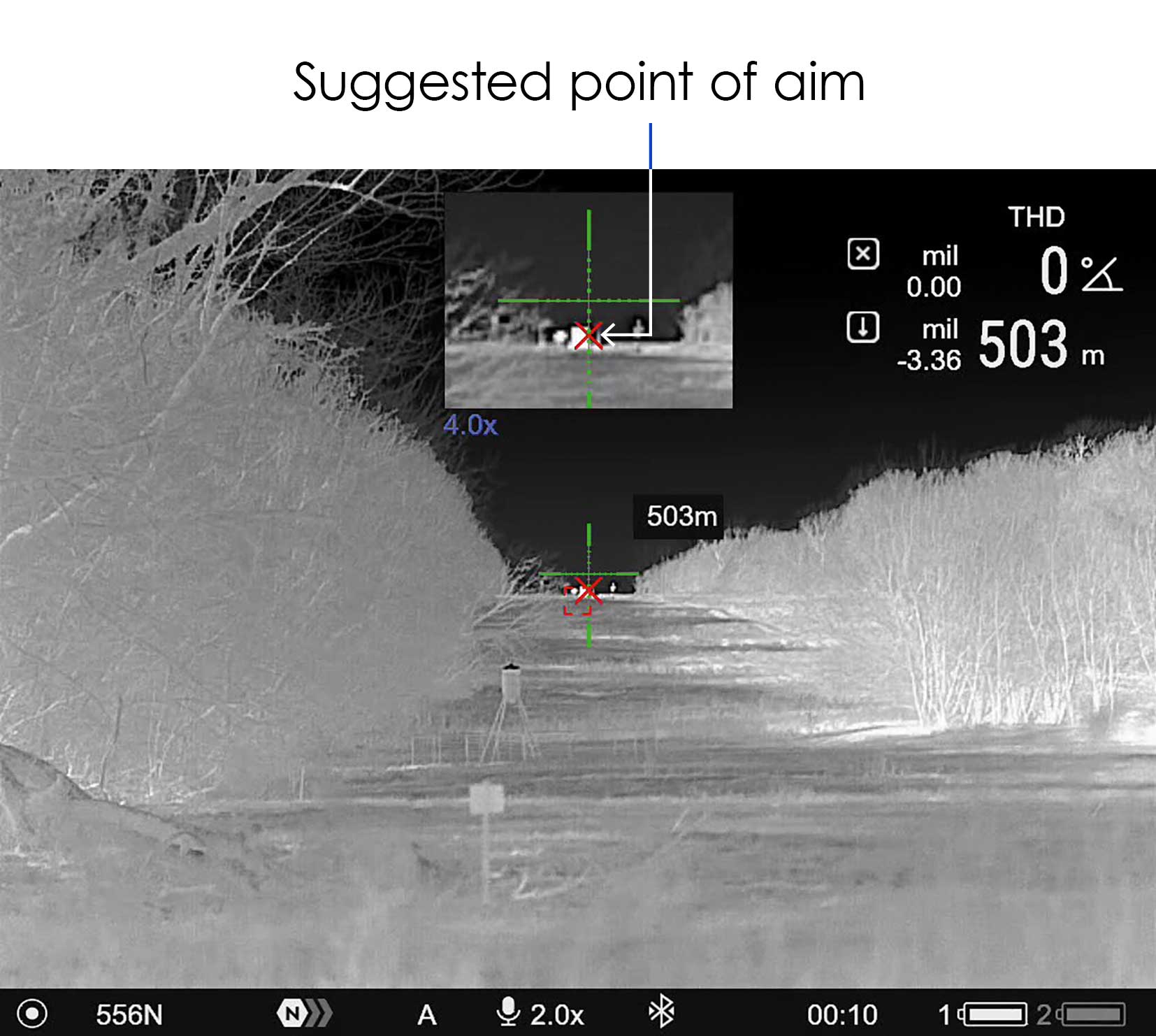
- Workflow: Optics → ranging → ballistic correction within a single system
- Connectivity: Mobile-based operation with device synchronization
- Use environment: Field-oriented, real-world shooting conditions
For hunters, these specs matter because they describe whether the system can keep up when you’re working fast, cold, and under pressure.
Strengths and practical features
Integrated ballistic workflow
Integrated ballistic workflow is a defining strength of Pulsar Stream Vision Ballistics. Ballistic calculations are embedded directly into the shooting process rather than treated as a separate task.
Once a profile is built and corrections are calculated, the data transfers directly to compatible Pulsar optics — no manual re-entry, no switching between tools. The app and the device speak the same language because they’re built as part of the same ecosystem.
Designed for real hunting and shooting conditions
Designed for real hunting and shooting conditions, the interface prioritizes clarity and speed. In the field, you don’t want to dig through extra settings that don’t help you land the shot.
The app’s field-oriented approach aligns with what external ballistics demands: the bullet’s flight is affected by atmospheric conditions, and the shooter needs a practical way to account for those effects in the correction.
Seamless extension of Pulsar optics
Stream Vision Ballistics behaves as a natural software extension of Pulsar optics rather than an external tool. For users already familiar with Pulsar devices, this continuity creates a consistent experience and reinforces trust in the ballistic data applied during long-range engagements.

Reduced cognitive load in the field
By centralizing ballistic calculations within the same ecosystem as optics and ranging tools, the app reduces the mental effort required to interpret and apply corrections. This simplified workflow is especially valuable in long-range scenarios, where situational awareness and timing are critical. Vilius Ūksas, a precision shooter, explains the value of the app:
In the field, conditions don’t wait. You range the animal, you’re on a slope you didn’t account for at the range — and you have seconds to decide whether to take the shot or let it go. Stream Vision Ballistics gives you that correction fast and reliably, so when the moment comes, you’re making a decision based on solid data — and that’s what makes the difference between a clean, ethical kill and a wounded animal you spend the night tracking.
Field experience & real-world use
Real shooting environments include open terrain, mixed landscapes, changing winds, and temperature swings that can shift external ballistics. Pulsar Stream Vision Ballistics demonstrates a strong focus on consistency and first-shot confidence.
Environmental conditions significantly affect the trajectory through air density and drag, and wind introduces lateral deflection. In that reality, a workflow that shortens the time between target identification, distance measurement, and correction supports controlled shot placement instead of rushed guesswork.
Expert insight
What sets Stream Vision Ballistics apart isn’t just the calculations — it’s how naturally it fits into the Pulsar workflow. You’re not juggling separate tools or transferring numbers between devices. Everything flows from the app to your optic, and that seamless connection is what lets you focus on the shot instead of the setup.
– Vilius Ūksas
Limitations & considerations
Pulsar Stream Vision Ballistics is purpose-built for use within the Pulsar ecosystem, and that focus is intentional. Shooters looking for a universal, brand-agnostic calculator may want broader cross-platform compatibility. If you want an integrated Pulsar workflow, the specialization can be an advantage because it supports consistency, efficiency, and a single connected process.
Who is this app for?
- Pulsar optics users seeking an integrated ballistic solution.
- Long-range hunters prioritize ethical, first-shot accuracy.
- Shooters who prefer a streamlined workflow over overly complex ballistic tools
- Users operating in variable, real-world environments
- Hunters who rarely shoot beyond distances where holdover becomes a meaningful factor
- Competitive precision shooters who require advanced solver customization, custom drag models, or Doppler-verified bullet data
How Pulsar Stream Vision Ballistics fits modern long-range shooting
Pulsar Stream Vision Ballistics fits modern long-range shooting by embedding ballistic calculations directly into the shooting ecosystem. Instead of switching between multiple tools, shooters can manage ranging, profiles, and corrections within a single connected workflow.
The app’s design favors practical long-range use: speed, clarity, and reliability over endless menus. For hunters and field shooters, that’s often the difference between a usable solution and an app that stays on the phone.

Read more: Guide to ballistics for accurate long-range shooting
Pulsar Stream Vision Ballistics for long range hunting
Long-range hunting places a premium on responsibility and accuracy. Pulsar Stream Vision Ballistics supports this by helping hunters prepare and execute shots with greater confidence.
First-shot accuracy
First-shot accuracy is the standard long-range hunters should build around. Accurate ballistic correction reduces the need for follow-up shots and keeps the focus on clean, controlled shot placement.
A good app also supports better pre-shot discipline. When profiles and corrections are clear, you can spend more attention on the fundamentals that matter most: stable position, correct range, wind call, and a clean break.
Variable terrain and weather
Variable terrain and weather are part of hunting, not exceptions. These factors affect how the bullet behaves between the muzzle and the target, and your correction needs to reflect real conditions, not a baseline ‘range day’ setup. A field-oriented workflow makes it easier to keep corrections consistent as conditions evolve.
Decision-making speed in hunting scenarios
By shortening the path from ranging to correction, Stream Vision Ballistics enables faster, more decisive action while keeping the hunter focused on the target rather than the interface.
Common mistakes when using ballistics apps
Common mistakes often come from workflow breakdowns, not from the math itself.
- Relying on theoretical data only: Ballistics depend on real-world conditions, atmospheric changes, drag, and trajectory.
- Switching between multiple tools: Every manual handoff increases the chance of an incorrect number, the wrong profile, or a missed step.
- Overloading the shooter with unnecessary inputs: Too much information can slow down decisions and lead to mistakes under pressure.
A final note from Vilius:
The most expensive ballistic calculator in the world won’t save you from bad inputs. Manufacturer muzzle velocity data is a starting point, not a fact. Your barrel, your lot of ammunition, your altitude will all produce different numbers. Shooters who skip the confirmation process and trust the library data are building their solution on a foundation they’ve never actually tested. Get to the range, confirm your dope, and treat the app as a tool that organizes verified data, not one that generates it.
The best fix is a disciplined routine: confirm the correct rifle/load profile, distance, and conditions, then apply the correction. When the workflow is integrated, it’s easier to keep that routine consistent. Stream Vision Ballistics supports exactly that — by keeping profiles, ranging, and corrections within a single connected system, it removes the gaps where mistakes typically happen.
FAQ
Are ballistics apps accurate for long range shooting?
Yes. Ballistics apps can be accurate for long-range shooting when the inputs are correct, and the solver accounts for atmosphere and wind effects that change drag and deflection.
Do I need a separate ballistic calculator if I use Pulsar optics?
If your goal is an integrated workflow inside the Pulsar ecosystem, Stream Vision Ballistics can handle ballistic calculations within the same system used for compatible optics and ranging.
How does a ballistics app improve long range hunting accuracy?
A ballistics app improves long-range hunting accuracy by converting distance and conditions into a correction you can apply consistently, which supports first-shot accountability and reduces guesswork.
What data is required for ballistic calculations?
Ballistic calculations typically require muzzle velocity, bullet BC, bullet weight, zero range, sight height, distance, and environmental conditions like temperature and pressure. Accurate inputs create dependable corrections at extended range — small errors are amplified at extended range.
Can a ballistics app be used offline?
Many ballistics apps can run core calculations offline when the solver is stored on-device. Still, some features, such as device syncing, pulling live weather, or updating profiles, may require connectivity.
Why is integration important for long-range shooting?
Integration is important for long-range shooting because it reduces the number of steps between ranging and correction, lowering input errors and keeping the shooter focused on wind, stability, and shot execution.
Further Reading:
About the experts

Co-author:
Joshua Skovlund
Joshua Skovlund has covered stories for Task & Purpose, Outdoor Life, and Coffee or Die Magazine. He has photographed and filmed multinational military exercises and hunting trips in austere environments around the world, with his first archery kill in Kona, Hawaii.
Joshua grew up in South Dakota, learning how to scout and hunt deer, turkey, pheasant, and waterfowl. He currently scouts and hunts black bears, turkeys, and deer, while taking every opportunity to go to the range and further hone his pistol and rifle shooting skills.

Expert contributor:
Stefan Orman
Stefan Orman is a Swedish hunter, professional shooter, and experienced shooting instructor known for his deep expertise in hunting techniques and precision shooting. He’s also served as a longtime ambassador for outdoor optics and thermal-imaging brands, sharing practical skills and insights on marksmanship, firearm handling, and fieldcraft.

Expert contributor:
Vilius Ūksas
Vilius Ūksas is an experienced precision shooter with a professional background in long-range marksmanship and ballistic application. Active in IPSC, IDPA, and the demanding Brutality match series, he combines practical, pressure-tested shooting skills with a deep understanding of ballistics and real-world rifle performance.
Before purchasing any night or thermal vision device, please make sure you adhere to the local legislation and only use it when it is allowed. Our ambassadors come from various countries and travel a lot, which allows them to test different devices. We do not encourage or support the illegal use of our devices in any events. If you wish to learn more about export and sales restriction policy, please visit the following link: Export and Sales Restriction Policy.