
ricky_outdoor.it
southswedenhunting
Expert Contributor:
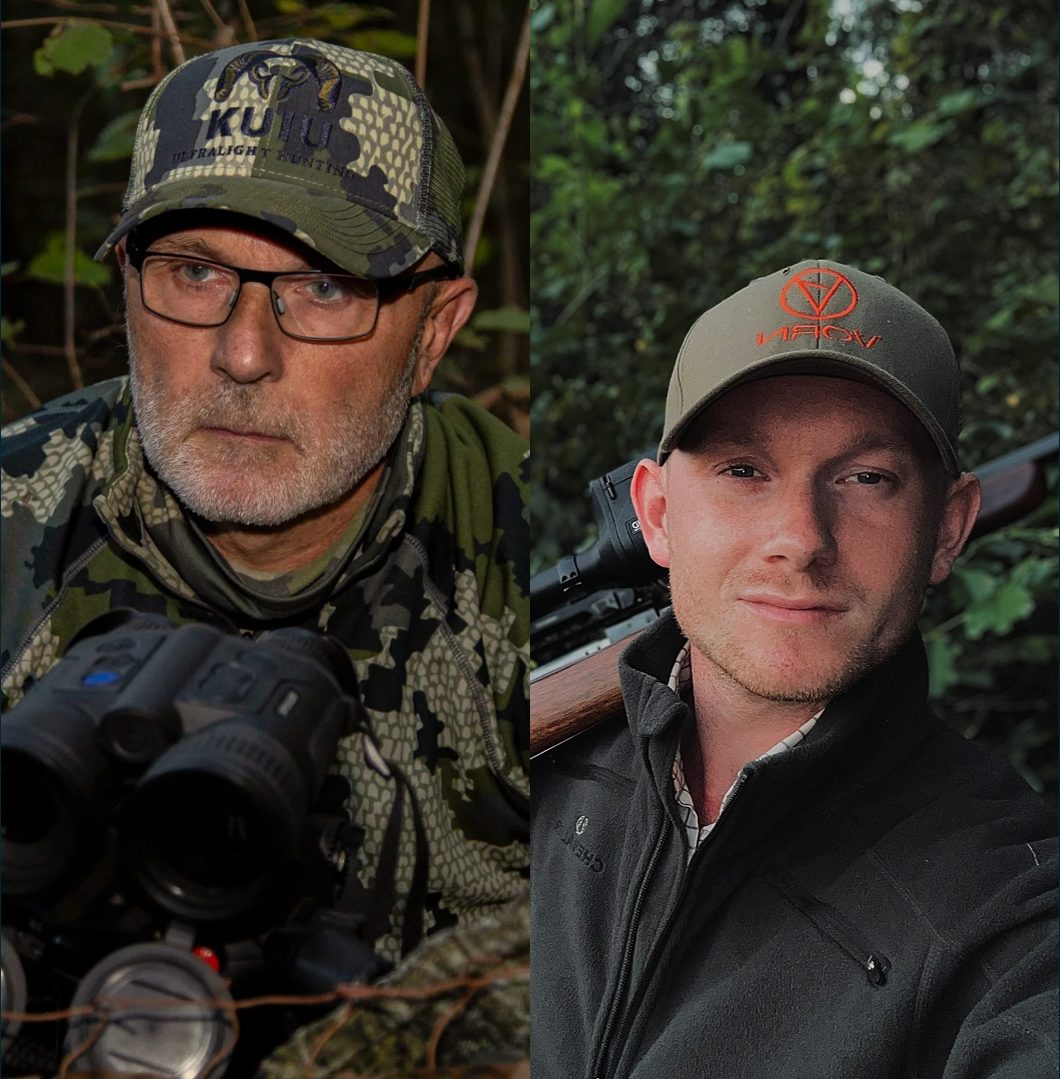
Riccardo Tamburini, Joel Henrysson
Estimated read time: 6 min.
Winter hunting is a game of patience and precision. While the biting cold can be a hunter’s greatest adversary, it is also a thermal optics’ greatest ally. In sub-zero temperatures, the world transforms into a high-contrast canvas where every heat signature tells a story.
In this interview, Pulsar Ambassadors Joel Henrysson from Sweden and Riccardo Tamburini from Italy discuss how they adapt their techniques for winter observation, ensuring a successful outing rather than an early trek back to the car.
Interview
How does winter temperature change the way animals appear through a thermal device compared to warmer seasons?
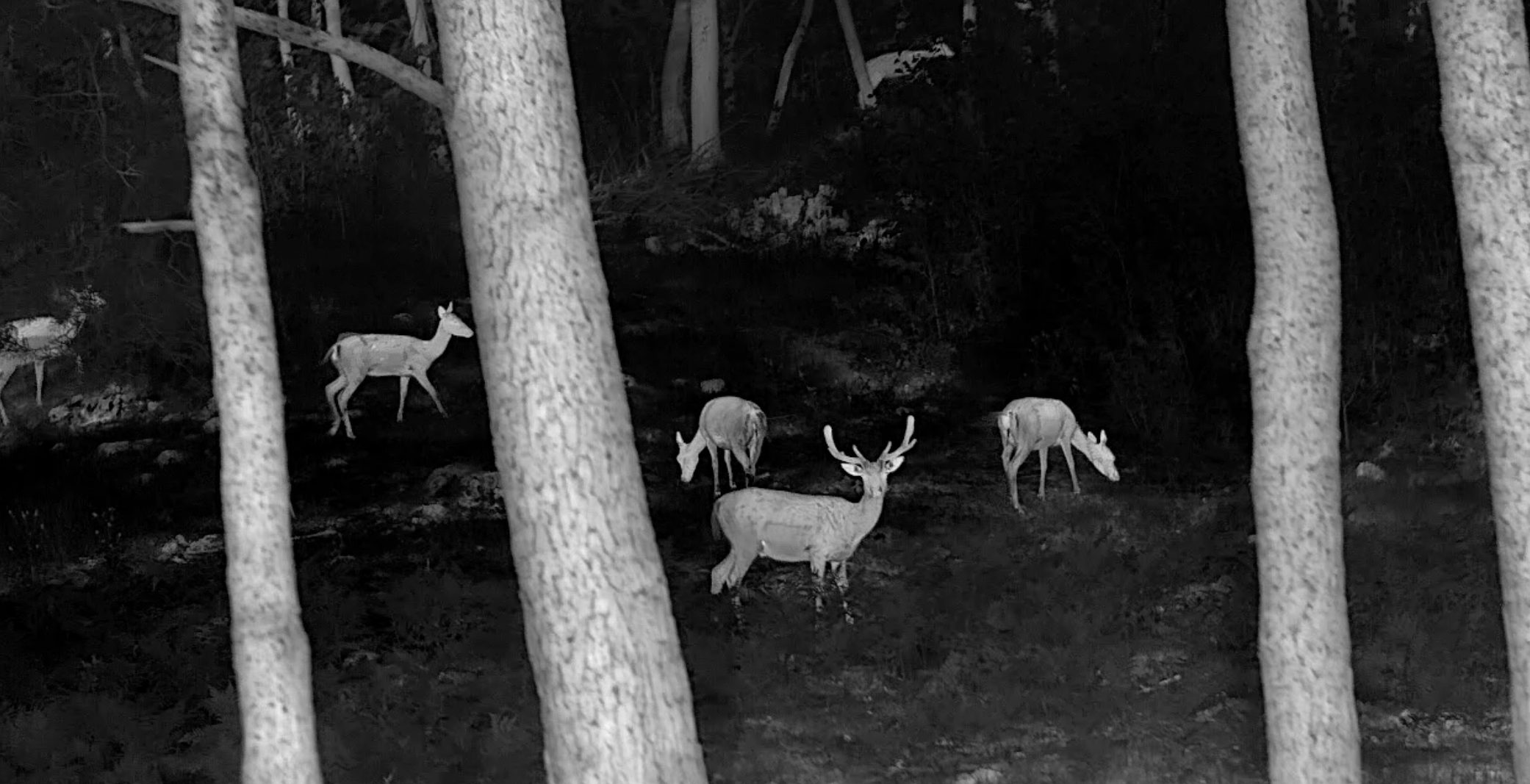
Joel: As thermals don‘t see “heat” per se – they see temperature differences – the contrast becomes much higher as the temperature span between the animal and the background increases. This makes it very easy to spot game. On a hot summer day, you might often be fooled by large rocks, thinking they are boars; in winter, that rarely happens.
Riccardo: Winter is the best season for hunting with a thermal device. Low daytime temperatures prevent rocks, trees, or stumps from absorbing heat. This results in fewer false targets and a more uniform, “flat” environment on the display, which actually increases the possibility of spotting a warm body from very far away.
What are the most common mistakes hunters make when interpreting thermal images in cold weather?
Joel: I wouldn‘t say there are a lot of mistakes made. However, because everything covered in snow tends to be the same temperature, the background contrast can be lower than usual. This can make it harder to observe a proper backstop or identify other potential risks before taking a shot.
Riccardo: It is actually quite difficult to make big mistakes during the winter because the inanimate objects don’t absorb enough heat during the day to be mistaken for an animal. With no leaves on the trees and dry leaves on the ground, a hunter can hear movements from very far away, even when looking in a different direction. It is also the best time to easily see rats, squirrels, dormice, and other small animals, even with a mid-priced thermal unit.

How do snow, frost, or frozen ground affect thermal contrast and detection in real hunting situations?
Joel: In snow especially, thermal contrast is low. This makes animals stand out, but observing the rest becomes harder – so be mindful of your environment! Additionally, when the ground is frozen, you must always consider the increased risk of bullet ricochets.
Riccardo: During the day, snow on the ground can make it difficult to use a thermal device because the “albedo” (reflecting power) of the snow is near 90%. This can sometimes hide animals on the display, depending on the device’s sensitivity. However, during the night, the situation is completely different: high albedo means the ground stays cold, and animals will shine like lights in the dark.
Do you adjust your scanning or observation technique in winter when using thermal optics? If yes, how and why?
Joel: Not really, to be honest. I always make some small adjustments to the brightness and contrast on my units during day-to-day use, as thermal conditions are constantly changing regardless of the season.
Riccardo: Generally speaking, I increase the contrast and also the brightness slightly. I do this because the environment is already “flat” and uniform; inanimate objects haven’t absorbed enough heat during the day to create their own signatures.
Interview
In your experience, what conditions create the best and worst thermal visibility during winter hunts?
Joel: Winter or not, humidity is what kills the detail. Moisture puts particles in the way, making it difficult for sensors to pick up differences. It’s similar to turning on a flashlight in the fog – you see the beam, but not what’s behind it. Therefore, the best conditions are always on clear, dry days. Heavy snow allows you to see animals clearly, but it can obscure the surroundings.
Riccardo: One advantage of thermal devices is that they work in every weather condition. Pulsar goes further, as their devices are the only ones on the market that allow you to adjust the algorithm based on the weather: “Normal” for sunny days or clear nights, “High” for light fog or rain, and “Ultra” for harsh situations like dense fog, cloudy nights, or heavy snow.
Interview
How important is patience and longer observation time in winter when using thermals?
Joel: In my experience, there isn’t a huge difference. Because animals become more predictable in winter, it is often easier to hunt since you have a better idea of when and where to expect them to show up.
Riccardo: Extremely important! The risk with extreme cold is that you reduce your observation time. The temptation to give up and head back to the car is very high. A hunter must be patient and determined to stay out, even when temperatures are well below zero.
What advice would you give a hunter using thermal optics for the first time in winter conditions?
Joel: Be mindful of your surroundings and never compromise on safety. You can never regret a shot you didn’t take, and new opportunities will always present themselves.
Riccardo: Winter is the best period for using a thermal device, but it is the toughest season to be out in the field. Because the risk of bad weather is high, I recommend knowing the features of your device inside and out. Pulsar gear is developed by hunters for hunters – there is no weather condition their testers haven’t mastered before a device hits the market.
Before purchasing any night or thermal vision device, please make sure you adhere to the local legislation and only use it when it is allowed. Our ambassadors come from various countries and travel a lot, which allows them to test different devices. We do not encourage or support the illegal use of our devices in any events. If you wish to learn more about export and sales restriction policy, please visit the following link: Export and Sales Restriction Policy.