
Expert Contributor:
Peter Peeti
Estimated read time: 7 min.
To this day, New Zealand’s North Island, known as Te Ika-a-Māui, remains an attractive destination not only for its stunning landscapes but also for its rich cultural heritage. This heritage is deeply rooted in the traditions of the great Polynesian ancestors, continuously reminding us of the origins of the Māori people and their enduring values.
A proud Māori, as well as hunter, chef, and familiar face on several TV shows, Peter Peeti is a living example of how Māori carry their heritage into modern society. Guided by their culture’s core values and social principles, they live with a firm conviction that they are an integral part of nature, with a sacred duty to protect their land for future generations.

Hunting as an act of guardianship
The Maori have a deep-seated respect and love for the natural world, a philosophy that has been passed down for centuries. Peter, just like his ancestors, grew up with a strong sense of commitment to his land’s prosperity. “For us, hunting isn’t just a solo pursuit. It’s in our blood,” he explains. “You don’t just pick up a rifle; you learn the land, the seasons, and the way of the animal from those who came before you.”
You don’t just pick up a rifle; you learn the land, the seasons, and the way of the animal from those who came before you.
Peter Peeti
Hunting is seen as a reciprocal relationship with nature, a fundamental concept captured by whakappa, which holds that people, land, and the spiritual world are interconnected and equal parts of an evolving system. This belief means that the Māori are actively involved in conservation, acting as kaitiakitanga, or guardians of the land. “Hunting, for us, isn’t just about getting food for ourselves. It’s a fundamental part of our Māori way of life, our culture. When we take a bird or an animal, we’re not just a hunter; we’re a guardian. We only take what we need and use every part of what we get, respecting the life that was given,” Peter says.

From ancient traditions to modern adaptations
When the first Polynesian communities arrived, they had to adapt their skills to a new environment and cooler climate. Hunting, gathering, and growing were their three main survival strategies. Initially, the primary source of food was the giant flightless bird, the moa, which became extinct with the European arrival.
Although Europeans brought new technologies and animals, the Māori community adapted. Iron axes, knives, and muskets made hunting more efficient, while newly introduced species pigs, deer, goats and rabbits became common game. The arrival of predators like stoats, ferrets, and cats also contributed to the rapid extinction of many native bird species, forcing a change in the Māori diet.
While traditional methods like snares are still used today, hunters now blend old and new, using modern tools like rifles, bows, and even helicopters. This adaptability reflects a core tenet of Māori culture: while they embrace new methods, they maintain a firm belief that hunting must be done respectfully and sustainably. They never hunt birds during breeding or when a species is in decline, and they enforce temporary bans to allow resources to recover.
A symbolic relationship between technology and tradition
Peter’s approach to hunting reflects his culture’s ability to blend tradition with modernity. For him, the use of technology isn’t a contradiction but a way to enhance safety and effectiveness, which are crucial for successful hunting. “I don’t feel the opposition between hunting and the use of modern technology,” he says.
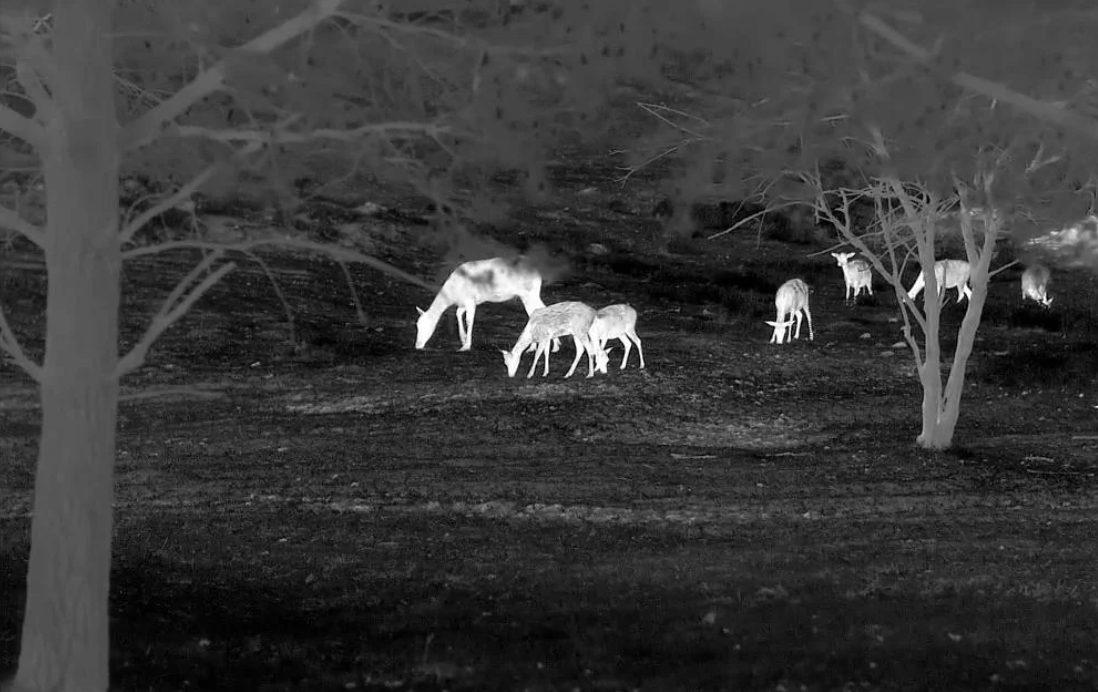
When hunting, he often uses two thermal imaging devices from Pulsar: the Merger binoculars for wide-field observation in dense forests and the Thermion riflescope for making precise and ethical shots. The thermal capabilities allow for a nonintrusive observation, ensuring the shots are accurate and safe, which aligns perfectly with his ethical way of hunting and his role as a guardian.
For Peter, hunting is more than just a pursuit; it’s a way to find peace, reconnect with his ancestors, and pass on his heritage. Just as his father taught him, he now takes his own children to learn about kaitiakitanga. “It’s a way for me to find peace, to reconnect with our ancestors and the land,” he says. Going out into the field, moving slowly through the woods, and observing wildlife allows him to unwind and connect with a more natural rhythm. This blend of ancient traditions and modern tools ensures that the Māori way of life continues to thrive, honoring the past while embracing the future.